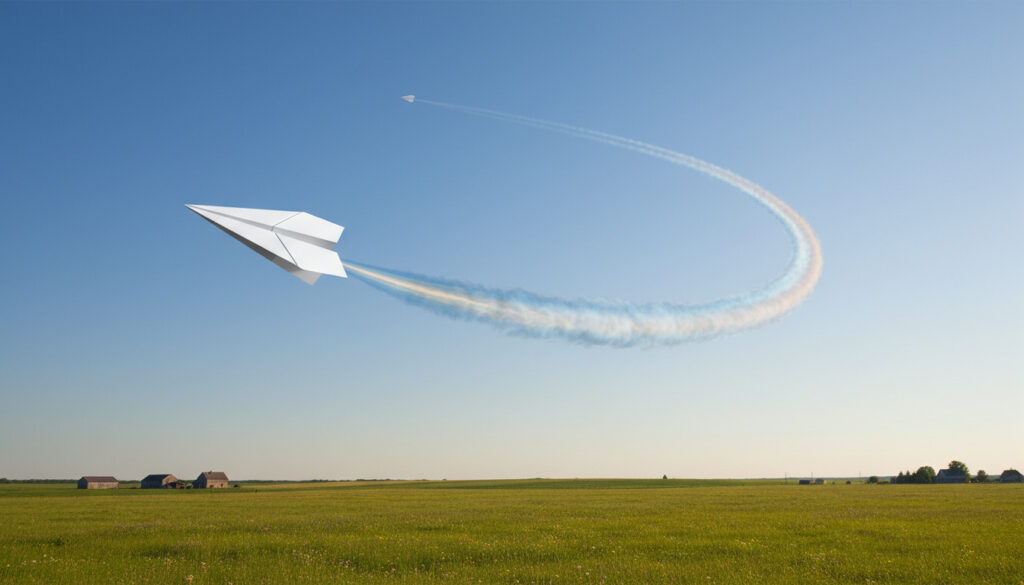
How to Make Paper Airplane – Step-by-Step Guide to Distance
Creating the perfect paper airplane combines simple geometry with basic aerodynamics. Whether you are a beginner folding your first dart or an enthusiast chasing distance records, understanding the fundamentals transforms a simple sheet of paper into a flying machine.
The art of paper airplane construction has evolved from classroom distractions to competitive sport. Modern designs range from basic gliders that cruise steadily across rooms to complex distance champions capable of spanning over 100 feet when properly constructed and thrown.
This guide examines verified folding techniques, tested designs, and material specifications based on documented flight tests and aeronautical principles.
How to Fold a Basic Paper Airplane Step by Step
Mastering fundamental folds establishes the foundation for all advanced designs. The following overview compares primary categories of paper airplanes by construction complexity and flight characteristics.
| Design | Difficulty | Flight Type | Steps Needed |
|---|---|---|---|
| Dart | Easy | Distance | 7 |
| Glider | Easy | Stable | 8 |
| Stunt | Medium | Loops | 10 |
| Ring | Hard | Unique | 12 |
Critical factors determining flight success include:
- Standard 20 lb bond paper provides optimal stiffness for most designs
- Symmetrical wing alignment prevents veering; adjust trailing edges to correct course
- Crisp creases reduce drag and improve structural integrity
- Nose-heavy designs penetrate air better for distance records
- Indoor testing eliminates wind variables before outdoor trials
- Holding the fuselage firmly while flicking the wrist ensures smooth release
| Attribute | Specification |
|---|---|
| Time to Make | 2-5 minutes |
| Materials | A4 or Letter paper (20 lb bond) |
| Difficulty Level | Beginner |
| Ideal Environment | Indoors or calm outdoor conditions |
| Record Distance | 112 feet (Harrier design) |
| Average Flight | 30-50 feet (standard designs) |
| Age Suitability | 5 years and older |
| Critical Factor | Wing symmetry |
Best Paper Airplane Designs for Maximum Distance
Documented flight tests reveal significant performance variations between designs. Fold ‘N Fly maintains a database tracking verified distances and construction specifications.
The Bird
The Bird design represents the optimal balance between accessibility and performance. During documented tests, a 10-year-old achieved throws exceeding 50 feet using this configuration. The template requires relatively simple folding sequences, though pilots should adjust wings slightly if the plane veers off course. Step-by-step instructions emphasize precision creasing to maintain aerodynamic integrity.
Harrier
The Harrier design has achieved distances of 112 feet in controlled testing. Construction requires folding the sheet lengthwise so longer sides meet, then creating cockpit flaps to form an arrow shape with slight intentional misalignment that aids flight stability. The process continues with specific arrow folds and wing adjustments detailed in the full Instructables guide.
Sonic Jet
For speed rather than distance, the Sonic Jet achieves velocities approaching 20 mph. This design benefits from taping the fuselage tightly and utilizing heavier 24-28 lb paper stock to maintain structural integrity during high-velocity flight.
When throwing The Bird for maximum range, position wind at your back and release at a 45° upward angle using maximum force without crumpling the paper structure.
Choosing the Right Paper and Essential Tips
Material selection fundamentally impacts flight characteristics. Fold ‘N Fly testing indicates standard 20 lb bond paper provides the ideal weight and stiffness for most designs, enabling long glides without tearing.
Paper Specifications
Standard printer paper outperforms glossy or thin tissue alternatives, which crumple easily under aerodynamic stress. Heavier stock between 24-28 lb suits speed-focused planes like the Sonic Jet, providing necessary mass for momentum while maintaining rigidity.
Construction Techniques
Precision folding matters more than paper quality. Fuselage alignment must remain symmetrical to prevent spin or drift. For child-friendly construction, the Basic Dart or Heavy-Nosed Plane offers simplified creases and forgiving flight profiles. Foldable Flight provides printable templates for visual learners seeking designs like the SU-27 Jet.
How to Throw a Paper Airplane for Optimal Flight
Release technique varies by design objective. For distance throws with designs like The Bird, position wind at your back and execute a 45° upward launch with maximum controlled force. Time aloft requires launching the Stealth Glider straight upward to initiate a slow circling descent exceeding six seconds versus the average two-second flight. Speed attempts with the Sonic Jet demand taped fuselages and hard releases at slight upward angles.
Throwing with excessive force deforms the fuselage and destabilizes flight. Releases with the nose angled downward cause immediate impact. Always test indoors before outdoor trials, and avoid gusty conditions that overpower lightweight designs.
Evolution of Paper Flight
The history of paper aviation follows recognizable developmental phases:
- 1930s: Earliest documented paper airplane designs emerge as paper becomes widely available
- Post-WWII: Popularization of folding techniques spreads through educational institutions
- 1980s: Competitive throwing gains organized recognition with established rules
- 2000s: Online databases systematize hundreds of designs with performance metrics
Established Facts Versus Variable Outcomes
| Verified Information | Uncertain Variables |
|---|---|
| Basic fold sequences are standardized and repeatable | Exact atmospheric conditions for record attempts vary |
| 20 lb paper weight produces consistent results | Individual throwing mechanics differ significantly |
| The Bird achieved 50+ feet; Harrier reached 112 feet | Long-term paper durability under repeated stress |
| Four forces (lift, thrust, drag, gravity) govern flight | Optimal humidity levels for specific paper types |
Why Paper Airplanes Fly
Four fundamental forces govern paper airplane physics. Lift occurs when air flows faster over curved wings, creating upward pressure. Thrust comes from the throwing motion propelling the plane forward. Drag represents air resistance minimized through sleek shapes. Gravity pulls the aircraft downward. Straight wings glide far, while angled wings induce spins or loops, such as the Light Spinner’s corkscrew pattern.
For distance, engineers balance wing camber—slight curvature that sustains lift—against nose weight that pierces air resistance. Similar principles of form and function apply across physical disciplines, whether designing aircraft or executing precise movements like the Dumbbell Bent Over Row – Proper Form, Muscles and Benefits.
References and Documentation
Primary research derives from controlled flight testing documented through Fold ‘N Fly and Instructables community verification. Additional aeronautical context appears in NASA educational resources and Wikipedia’s comprehensive history. Alternative folding methodologies appear at Origami Way.
“Standard printer paper works best due to its weight and stiffness, enabling long glides without tearing.”
Fold ‘N Fly Testing Documentation
Next Steps for Aviation Enthusiasts
Progressive skill development requires iterative testing across multiple designs. Begin with Basic Dart construction before advancing to distance-optimized models. Document flight distances and modification effects systematically. Those interested in systematic improvement methodologies may also appreciate structured approaches to other technical skills, such as detailed in How to Invest in Stocks – Beginner’s Step-by-Step Guide.
Frequently Asked Questions
How to make paper airplanes for kids?
Start with the Basic Dart or Heavy-Nosed Plane using standard 20 lb paper. These designs require only simple creases and forgive minor folding errors. Printable templates from video tutorials help visual learners follow along.
Does the type of paper matter for paper airplanes?
Yes. Standard 20 lb bond paper performs best for most designs due to optimal stiffness and weight. Avoid glossy or tissue paper which crumples easily. Heavier 24-28 lb stock improves speed planes but reduces glide distance.
Why does my paper airplane veer to one side?
Asymmetrical wing alignment causes directional drift. Check that both wings match in angle and surface area. Bend the trailing edge of the wing opposite the turn direction slightly upward to correct course.
How do you throw a paper airplane for maximum distance?
Throw at a 45° upward angle with wind at your back. Use maximum force without crumpling the paper. Hold the fuselage firmly and flick your wrist smoothly upon release.
What makes a paper airplane fly better?
Four factors determine flight quality: symmetrical wings for stability, nose weight for penetration, crisp folds for reduced drag, and appropriate throwing technique matching the design’s aerodynamic profile.
Can paper airplanes fly outdoors?
Yes, but calm conditions prove essential. Gusts destabilize lightweight designs. Test indoors first, then move outside only when wind speeds remain below 5 mph.
More related posts
 Apple Watch Series 10 Price in Canada – Latest Retail Prices
 Anze Kopitar Retires: A Legacy of Two Cups and Two-Way Excellence
 Jacques Villeneuve: Career, Life After F1, and Net Worth
 Vladimir Guerrero: Hall of Fame Career & Son’s MLB Journey
 Kelly Hrudey Health Issues, Career & Family Facts
 Food Near Me Within 400m – Quick Local Dining Guide
 Virginia Giuffre: Epstein Accuser, Death and Prince Andrew Probe
 Old Navy Promo Code Canada: 30% Off April 2026 Coupons