How Many Ounces in a Cup – US, Metric, Imperial Guide
The answer to how many ounces are in a cup depends entirely on what type of cup and what type of ounce you are measuring. This distinction matters more than most people realize when following recipes or converting measurements between cooking systems. The US customary system, the imperial system, and the metric system each define the cup differently, and the difference between fluid ounces and dry ounces adds another layer of complexity.
For liquid measurements, the standard US cup holds exactly 8 fluid ounces. However, dry ingredients vary significantly by weight even within the same volume. Understanding these differences prevents common baking failures and ensures accurate results whether you are working with US recipes or international ones.
How Many Ounces Are in a Cup?
The most straightforward answer applies to liquid measurements: one US cup equals 8 fluid ounces. This standard is established by the National Institute of Standards and Technology and forms the basis of US food labeling regulations. However, this simple answer hides several important distinctions that cooks and bakers encounter regularly.
The actual volume of a US cup measures 236.59 milliliters, though many recipe sources round this to 240 milliliters for convenience. When people ask how many ounces in a cup without specifying context, they typically refer to this US liquid measurement standard.
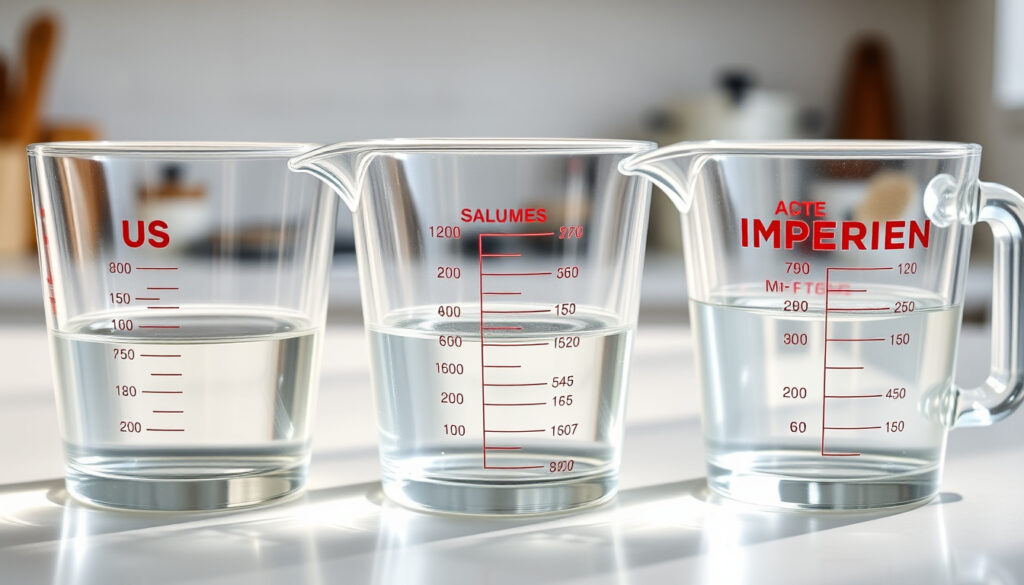
8 fluid ounces (236.59 mL)
Varies by ingredient (~8.12 oz average)
8.45 fluid ounces (250 mL)
10 fluid ounces (284.13 mL)
Key points to understand about cup measurements:
- Always specify liquid or fluid ounces when measuring volume
- Dry ounce weight depends entirely on ingredient density
- US customary measurements differ from metric and imperial systems
- The standard US cup equals exactly 8 fluid ounces by legal definition
- Converting between systems requires knowing which cup standard applies
- International recipes may use different cup sizes entirely
| Measurement | US Liquid (fl oz) | Metric Cup (fl oz) | Notes |
|---|---|---|---|
| 1 Cup | 8 | 8.45 | Volume measurement |
| 1/2 Cup | 4 | 4.23 | Half volume |
| 1/4 Cup | 2 | 2.11 | Quarter volume |
| 1/3 Cup | 2.67 | 2.82 | Third volume |
| Water (1 cup by volume) | 8.34 oz weight | 8.85 oz weight | Based on water density |
Fluid Ounces vs. Dry Ounces in a Cup
Understanding the Fundamental Difference
Fluid ounces measure volume—the amount of space a liquid occupies. Dry ounces measure weight—the mass of a substance. When a recipe calls for ounces, determining whether it means fluid ounces (volume) or dry ounces (weight) determines whether your dish succeeds or fails.
The US customary system maintains separate definitions for dry and liquid measurements. While both liquid and dry cups share the same name, the actual quantities differ. A US dry cup, when referring to an actual measuring vessel, typically refers to a standardized volume of approximately 236.59 milliliters for general cooking purposes, though the distinction between dry and liquid pints in official measurements shows that the system historically treated them differently.
For practical purposes in the kitchen, the critical insight is that one cup of different ingredients weighs different amounts. A cup of flour weighs approximately 120 to 130 grams, while a cup of sugar weighs around 200 grams. Both occupy the same volume (one cup) but differ substantially in weight.
Because ingredients have different densities, one cup of flour weighs approximately 4.2 to 5 ounces, while one cup of water weighs 8.34 ounces. The same volume produces different weights, which explains why baking recipes often specify weight measurements for precision.
Why This Distinction Matters in Baking
Baking differs from cooking in its reliance on chemical reactions between precise ratios of ingredients. A cup of flour measured loosely versus packed versus sifted produces three different weights, leading to three different hydration levels in dough or batter. Professional bakers universally prefer weight measurements for this reason.
Many common baking failures trace directly to confusion between fluid ounces and weight ounces. A recipe calling for 4 ounces of flour might mean 4 fluid ounces (half a cup by volume) or 4 weight ounces (approximately 3/4 cup by volume). These are not interchangeable, and the intended meaning matters enormously for the final result.
US Cup vs. Metric and UK Cup Ounces
The US Customary Cup System
The US customary system defines one cup as exactly 8 fluid ounces, which equals 236.59 milliliters. This standardization applies specifically to liquid volume measurements and forms the legal basis for nutrition labeling and food packaging in the United States. The system also defines separate dry measures, though home kitchens typically use liquid measuring cups for both dry and liquid ingredients.
Converting between US cups and milliliters requires knowing that 1 US fluid ounce equals 29.57 milliliters, making the complete calculation: 8 × 29.57 = 236.59 milliliters per US cup.
The Metric Cup Standard
Countries using the metric system, including Australia, Canada, and many European nations, typically define the cup as exactly 250 milliliters. This creates a direct conversion ratio that simplifies calculations: one metric cup equals 250 milliliters, which equals approximately 8.45 US fluid ounces.
This 5.6% difference between the US cup (236.59 mL) and the metric cup (250 mL) may seem minor but compounds significantly in recipes with multiple cup measurements. A recipe calling for 4 cups of flour would contain nearly 54 milliliters more flour if measured with a metric cup versus a US cup.
The Imperial (UK) Cup System
The United Kingdom historically used the imperial system, which defines fluid ounces differently from the US system. One imperial fluid ounce equals 28.41 milliliters, compared to the US fluid ounce at 29.57 milliliters. The imperial cup equals 10 imperial fluid ounces, or approximately 284.13 milliliters.
This means the imperial cup exceeds both the US cup and the metric cup in volume. The imperial cup holds about 20% more than the US cup, creating substantial errors when imperial recipes are prepared using US measuring cups.
The US cup measures 236.59 mL, the metric cup measures exactly 250 mL, and the imperial cup measures approximately 284 mL. These three different standards explain why international recipe conversions require attention to the recipe’s country of origin.
How to Convert Cups to Ounces
Liquid Conversions
Converting cups to fluid ounces follows straightforward multiplication for liquid ingredients. Multiply the number of US cups by 8 to obtain fluid ounces. For metric conversions, multiply cups by 8.45 for an approximate fluid ounce equivalent, or use the milliliter equivalent and divide by 29.57.
For reference, the complete liquid measurement hierarchy in the US system progresses as follows: 1 cup equals 8 fluid ounces, 1 pint equals 16 fluid ounces (2 cups), 1 quart equals 32 fluid ounces (4 cups), and 1 gallon equals 128 fluid ounces (16 cups).
Dry Ingredient Conversions
Converting dry cup measurements to ounces requires knowing the specific ingredient’s density. General guidelines exist for common ingredients, but precision baking demands actual weight measurements. A kitchen scale provides the accuracy necessary for consistent results with dry ingredients.
Common dry ingredient conversions include: all-purpose flour at approximately 4.5 ounces per cup, granulated sugar at approximately 7 ounces per cup, brown sugar (packed) at approximately 7.5 ounces per cup, and butter at 8 ounces per cup (since butter is typically sold by weight anyway).
Using Conversion Tools Effectively
When following recipes from different countries or using different measurement systems, several approaches improve accuracy. First, identify the recipe’s origin and determine whether it uses US customary, metric, or imperial measurements. Second, use appropriate measuring vessels for the system in question. Third, for baking, consider converting the entire recipe to weight measurements for precision.
Many professional resources now provide both volume and weight measurements for baking recipes, recognizing that the global audience of home bakers includes people familiar with different systems. When a recipe provides only one type of measurement, having reliable conversion factors ensures reproducible results.
Converting a UK imperial recipe using US measuring cups produces approximately 20% more volume in the final product. Always confirm which measurement system the recipe assumes before beginning.
Measurement Standards Evolution
Understanding how measurement standards developed provides context for why multiple systems coexist today. The history of volume measurements reflects the gradual standardization of trade and commerce over centuries.
- 1790s: The US customary system began developing alongside the new nation, with early definitions based on English colonial precedents
- 1820s-1850s: Standardization efforts across US states created greater consistency in commercial measurements
- 1890s: International adoption of the metric system in European countries began diverging from US practice
- 1900s-1950s: The food industry and home cooking increasingly standardized around the 8-fluid-ounce US cup
- 1960s-Present: Metric adoption in Canada, Australia, and parts of Europe created the metric cup standard of 250 mL
- Modern Era: Digital kitchen scales and online conversion tools now bridge the gap between measurement systems
Today, NIST Handbook 44 establishes the legal definitions for US measurements used in commerce, including food labeling. The National Institute of Standards and Technology maintains these standards, while the USDA provides guidance specific to food measurement practices.
What Is Clear and What Remains Unclear
| Established Information | Variable or Unclear Information |
|---|---|
| US liquid cup = 8 fluid ounces exactly | Dry cup weight varies by ingredient |
| US cup = 236.59 milliliters | Flour weight per cup: 120-130g depending on type |
| Metric cup = 250 milliliters | Packaging variations in pre-packaged dry measures |
| Imperial cup = 10 imperial fluid ounces | Measuring technique impact on dry volume |
| 1 US fluid ounce = 29.57 milliliters | How scooping technique affects cup-to-weight ratio |
| 1 imperial fluid ounce = 28.41 milliliters | Sifting and settling effects on dry measurements |
The most important certainty is that US liquid cup measurements equal exactly 8 fluid ounces by legal standard. The primary uncertainty surrounds dry ingredient weights, which depend on factors including ingredient type, moisture content, grain size, how the ingredient was packaged, and measuring technique.
Why Cup Measurements Matter in Cooking
Accurate cup measurements form the foundation of recipe success. In everyday cooking, minor variations often go unnoticed because most dishes contain enough flexibility to absorb small differences. Soups, stews, and sauces typically tolerate measurement imprecisions without dramatic consequences.
Baking presents a different challenge. Chemical leaveners like baking powder and baking soda require specific ratios to produce the intended rise and texture. Too much or too little flour relative to liquids creates dense, tough baked goods or ones that collapse during baking. This sensitivity explains why serious baking recipes often list ingredients by weight rather than volume.
International recipe adaptation requires particular care. When preparing recipes developed in countries using different measurement systems, applying the wrong cup standard introduces systematic errors throughout the recipe. A recipe using 4 cups of flour from the UK, when measured with US cups, would contain approximately 40% more flour than intended.
For precision cooking and baking, investing in a reliable kitchen scale provides the most accurate results across all measurement systems. Converting recipes to weight measurements also simplifies scaling, as multiplying ingredient weights requires only basic arithmetic rather than navigating different unit conversions.
Sources and Measurement References
Measurement standards derive from several authoritative sources that establish legal definitions and provide guidance for food preparation and labeling.
NIST Handbook 44 establishes the official US customary units for commerce, including the legal definition of the fluid ounce and cup measurements used in food labeling and trade.
The FDA Reference Guide for Food Labeling provides specific guidance on how measurement standards apply to nutrition facts panels and ingredient listings on packaged foods.
Educational resources from open educational resources in food service management document the practical applications of these standards in professional kitchens and culinary education.
Quick Reference Summary
One US cup contains exactly 8 fluid ounces when measuring liquids. Dry ingredient weights vary substantially depending on the ingredient’s density. The metric cup (250 mL) holds approximately 8.45 US fluid ounces, while the UK imperial cup (284 mL) holds approximately 10 fluid ounces. Understanding which measurement system a recipe uses prevents common conversion errors that affect final results, particularly in baking.
For consistent results in the kitchen, using the appropriate measuring tools for the measurement system in question, considering weight measurements for precision baking, and verifying international recipe assumptions before beginning preparation all contribute to successful cooking outcomes. If you are interested in learning more about measurement precision, understanding baking fundamentals can provide additional context on how accurate measurements affect cooking results.
Frequently Asked Questions
How many ounces are in a cup of water?
One US cup of water by volume equals 8 fluid ounces and weighs approximately 8.34 ounces by weight, since water has a density of approximately 1 gram per milliliter at room temperature.
Is 1 cup always 8 ounces?
Only for US liquid measurements. One US cup equals exactly 8 fluid ounces. However, for dry ingredients, the weight equivalent varies by ingredient, and other cup standards (metric and imperial) have different volumes.
How many milliliters in a cup?
One US cup equals 236.59 milliliters. The metric cup equals exactly 250 milliliters, and the imperial cup equals approximately 284.13 milliliters.
What is the difference between fluid ounces and ounces?
Fluid ounces measure volume (the space a liquid occupies), while ounces typically measure weight (mass). They are not interchangeable. Eight fluid ounces of water weighs about 8.34 ounces, but 8 fluid ounces of flour weighs only about 4 to 5 ounces.
How many ounces in a dry cup?
A dry cup measures volume, not weight, so the ounce equivalent depends entirely on the ingredient. One cup of flour weighs approximately 4.5 ounces, while one cup of sugar weighs about 7 ounces. Both are measured using the same 236.59 mL cup.
What is a metric cup?
The metric cup equals exactly 250 milliliters and is used in Australia, Canada, New Zealand, and many other countries. It is larger than the US cup (236.59 mL) by approximately 13.4 milliliters.
Why do UK recipes give different cup measurements?
Traditional UK recipes used the imperial cup (10 fluid ounces, approximately 284 mL), while modern UK recipes increasingly use the metric cup (250 mL). When following older British recipes, using imperial cup measurements prevents the approximately 20% under-measuring that would occur with US cups.
More related posts
 John Schneider Blue Jays: Manager Career, Contract, Bio
 Thunder Bay to Toronto: Flights, Trains, Drive Time & Costs
 John Tory: Wife, Illness & His Full Political Career
 70 Degrees Fahrenheit to Celsius: Exact Conversion Guide
 How to Invest in Stocks – Beginner’s Step-by-Step Guide
 How to Plant Garlic: Best Tips for Soil, Timing, and Mistakes
 Dumbbell Bent Over Row – Proper Form, Muscles and Benefits
 Gold Rate in Canada Today 22 Carat – Live CAD Prices and Trends