Pink Salt Trick for Weight Loss – Recipe and Reality Check
A trend circulating across social media platforms promises that a simple drink made with Himalayan pink salt can melt away fat, reduce bloating, and improve overall health. The “pink salt trick” has generated millions of views on TikTok and Instagram, with influencers claiming the beverage boosts metabolism, detoxifies the body, andCuriously enough, no celebrity or medical authority has formally endorsed the pink salt trick, despite what some viral posts might suggest. The trend appears to have emerged organically from wellness influencers and before-after photo testimonials rather than from any established health program or famous personality. This distinction matters when evaluating the credibility of the claims being promoted.
The recipe itself is remarkably simple, requiring only water, a small amount of pink salt, and optional flavor enhancers like lemon or honey. Proponents recommend consuming the mixture first thing in the morning on an empty stomach, claiming this timing maximizes the supposed benefits related to digestion and mineral absorption.
Multiple nutrition experts and health publications have examined the pink salt trick claims and found no credible scientific evidence supporting weight loss, fat burning, or detoxification effects. The trend relies primarily on anecdotal success stories rather than clinical research.
What is the Pink Salt Trick Recipe for Weight Loss?
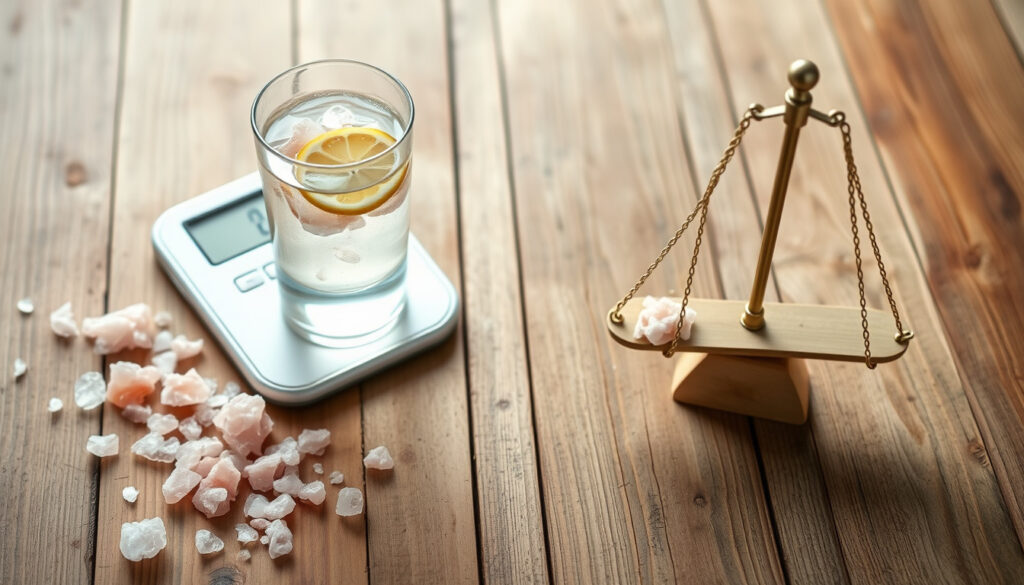
The pink salt trick involves dissolving a small amount of Himalayan pink salt in water to create a beverage marketed for weight management and wellness. According to sources reviewed from Noom, BodySpec, and Prevention, the standard recipe calls for 8-12 ounces of water combined with 1/16 to 1/8 teaspoon of fine pink salt, with optional additions like fresh lemon juice or honey to improve taste.
Standard Recipe Measurements
Dietitians and health writers who have investigated the trend emphasize that measurements matter significantly when preparing the pink salt beverage. The pink salt used in these recipes is approximately 98 percent sodium chloride, making it functionally similar to regular table salt despite its distinctive pink color from trace iron deposits.
The most commonly cited recipe versions include:
- Basic version: 8-12 ounces of water with 1/16 to 1/8 teaspoon of fine Himalayan pink salt, optionally enhanced with a squeeze of fresh lemon juice and one teaspoon of honey or maple syrup
- Viral social media version: 8-12 ounces of warm water combined with 1/8 to 1/4 teaspoon of pink salt, with optional additions such as lemon juice, honey, ginger, or apple cider vinegar
- Light-sodium variation: 12-16 ounces of water (warm or at room temperature), 1-2 teaspoons of lemon juice, and up to 1/8 teaspoon of pink salt
Some variations referred to as “sole water” involve creating a saturated brine of pink salt that is then diluted into drinking water, though this approach requires careful measurement to avoid excessive sodium intake.
The Science Behind Pink Salt and Weight Loss
Health experts from multiple organizations, including Verywell Health and Ro, have examined the scientific basis for the pink salt trick claims. Their consensus is clear: no peer-reviewed studies demonstrate that consuming pink salt dissolved in water produces weight loss, fat burning, or meaningful detoxification effects.
| Claim | Evidence Assessment | Source |
|---|---|---|
| Weight loss or fat burning | No proof; calorie deficit required for fat loss | Ro, BodySpec, Prevention, Noom |
| Reduces bloating or detoxifies | Unsupported; excess sodium may worsen bloating | Ro, BodySpec |
| Boosts energy or metabolism | No basis; trace minerals provide negligible benefit | Ro, Prevention |
| Improves hydration | Minor electrolyte help only if on low-sodium diet | BodySpec, Prevention |
| Contains beneficial trace minerals | Negligible amounts at typical doses used | Prevention |
| Provides iodine for thyroid function | Minimal iodine compared to iodized salt | Nutrition data sources |
Himalayan pink salt contains approximately 98% sodium chloride, nearly identical to regular table salt. Adding any salt to water does not create a calorie deficit, which is the fundamental requirement for losing body fat. Excess sodium intake through such beverages can actually cause water retention, leading to temporary weight gain from fluid rather than fat loss.
Pink Salt Recipe Variations and Common Questions
Despite widespread discussion about various ingredient combinations, searches for specific recipes involving baking soda, Oprah endorsements, or products marketed specifically for women yielded no verifiable results. No credible sources mention baking soda as an ingredient in pink salt recipes, and the trend does not appear tied to any celebrity wellness programs or gender-specific formulations.
Common Recipe Additions
Wellness content creators often modify the basic pink salt water recipe with additional ingredients they believe enhance benefits. Apple cider vinegar appears frequently in these modified recipes, despite lacking scientific support for weight loss claims. Lemon juice, honey, and ginger are added primarily for flavor enhancement rather than any proven fat-burning properties.
The practice of consuming these beverages on an empty stomach first thing in the morning is marketed as maximizing mineral absorption and kickstarting digestion. However, nutrition experts note that the human body already maintains sophisticated mechanisms for nutrient absorption that are not meaningfully influenced by the timing of salt water consumption.
Understanding the “Sole Water” Variation
One variation gaining attention involves preparing “sole water,” created by saturating water with pink salt until no more salt can dissolve, producing a concentrated brine. This saturated solution is then diluted into additional drinking water before consumption.
The rationale offered for this preparation method claims that the concentrated solution contains beneficial trace minerals in more bioavailable forms. However, independent analysis indicates that Himalayan pink salt contains the same trace minerals found in other unrefined salts, and the amounts present are too small to produce measurable health effects at the concentrations used in typical recipes.
Pink Salt Diet: What the Research Actually Shows
The term “pink salt diet” appears in various wellness discussions, sometimes implying a structured eating plan centered around pink salt consumption. Health experts who have reviewed these claims emphasize that no established dietary approach recommends increased salt intake as a weight loss strategy.
According to research compiled by BodySpec, most individuals already consume sodium in excess of recommended daily limits through their regular diets. Adding additional salt through wellness beverages does not align with evidence-based nutritional guidance and may actually work against health goals.
Hydration Versus Fat Loss
One area where pink salt water might offer marginal benefits relates to hydration, particularly for individuals who exercise intensively and lose significant electrolytes through sweat. For these specific populations, adding a small amount of salt to water can assist with fluid retention and replenishment.
However, this hydration benefit operates entirely independently of weight loss mechanisms. Proper hydration supports overall bodily function and can help maintain energy levels during exercise, but it does not create the calorie deficit necessary for burning stored body fat. Any temporary weight changes observed after consuming pink salt water relate to shifts in water balance, not fat reduction.
The Water Retention Paradox
Dietitians consulted by major health publications note an ironic reality about sodium and weight: consuming excess sodium triggers water retention through osmosis, causing the body to hold onto fluid rather than release it. This means that individuals consuming pink salt water specifically hoping to reduce bloating or achieve weight loss may actually experience the opposite effect.
The temporary fluctuations in body weight often observed during periods of high salt consumption represent fluid shifts, not changes in body composition. True fat loss requires sustained caloric deficit maintained over time through dietary modification and physical activity.
Safety Considerations and Potential Risks
Health authorities and nutrition experts have identified specific populations who should avoid the pink salt trick or approach it with particular caution. Those with high blood pressure, kidney disease, heart conditions, or anyone following a medically restricted low-sodium diet should not add extra salt to their beverages without explicit approval from their healthcare provider.
Individuals with hypertension, cardiovascular conditions, kidney problems, or those prescribed sodium-restricted diets should consult their physician before trying any salt-based wellness beverage. The sodium content in pink salt is comparable to table salt, and excess intake can contribute to elevated blood pressure and other health complications.
For generally healthy adults, occasional consumption of pink salt water in the small amounts typically recommended appears low-risk. However, the habit of regularly consuming salt water carries cumulative implications for sodium intake that should be considered within the context of total daily consumption from all food and beverage sources.
Experts from Ro and Today.com consistently recommend that individuals seeking weight loss prioritize approaches with established effectiveness: balanced nutrition, regular physical activity, adequate sleep, and stress management rather than relying on wellness trends that lack scientific validation.
Understanding the Viral Trend and Its Limitations
The pink salt trick exemplifies a recurring pattern in wellness social media: a simple, visually appealing remedy that spreads rapidly through shareable content and before-after testimonials. The trend’s popularity owes much to its low cost, natural positioning, and the powerful appeal of supposedly effortless weight loss solutions.
Analysis of search results and social media content reveals that the trend exists almost entirely in the realm of DIY preparation rather than commercial products. Despite some searches for “where to buy pink salt trick” or “pink salt trick pills,” no branded products, supplements, or pills have emerged as significant market offerings. The trend remains primarily centered on homemade beverages prepared from pink salt purchased from grocery or specialty food stores.
The Rise of Pink Salt Wellness Content
Health and wellness content creators began featuring pink salt recipes across major social media platforms during 2024 and 2025, with the trend gaining substantial momentum through 2025. The visual appeal of the distinctive pink salt dissolving in clear water proved highly shareable, and the simple three-ingredient recipe lowered barriers to participation.
Major health publications began publishing fact-checking articles and expert commentary addressing the trend during mid-2025, coinciding with peak social media visibility. By early 2026, multiple authoritative sources including medical health platforms had published comprehensive analyses examining the claims and comparing them against available scientific evidence.
- – Pink salt recipes begin appearing on wellness-focused social media accounts
- – Trend gains significant momentum on TikTok and Instagram, generating millions of views
- – Major health publications including Noom and Today.com publish fact-checking content
- – Medical health sites like Verywell Health publish detailed scientific analyses
- – Continued circulation alongside emerging wellness trends; experts maintain that evidence does not support core claims
What Experts Confirm Versus What Remains Unclear
Several health authorities have provided clear guidance on aspects of the pink salt trick that are established versus those that remain speculative or unproven.
| Established Information | Unproven or Unclear |
|---|---|
| Pink salt is approximately 98% sodium chloride, similar to table salt | Whether trace minerals in pink salt provide meaningful health benefits |
| Excess sodium intake can cause water retention | Whether morning consumption timing enhances mineral absorption |
| Most people exceed recommended daily sodium limits through diet | Whether the trend provides any unique benefits compared to plain water |
| No peer-reviewed studies support weight loss from pink salt consumption | Whether specific recipe variations produce different effects |
| Fat loss requires sustained caloric deficit | Whether influencer testimonials reflect genuine results |
The Broader Context of Wellness Trends
The pink salt trick fits within a larger landscape of wellness trends that promise accessible, natural solutions to complex health goals. These trends often emerge from legitimate underlying principles—in this case, that adequate hydration and mineral balance do support overall health—but then extend those principles into claims that exceed the evidence.
The genuine kernel of truth in pink salt discussions involves acknowledging that proper hydration matters and that mineral deficiencies can affect wellbeing. However, transforming these basic observations into a specific weight loss protocol goes far beyond what science supports.
Wellness content creators frequently test multiple approaches and share their experiences online, contributing to a collective experimentation process that populates social media with both successful outcomes and failures. Distinguishing between genuine effects, placebo responses, and coincidental changes remains challenging when evaluating individual testimonials.
Expert Perspectives on Pink Salt Claims
Registered dietitians quoted in major health publications have consistently expressed skepticism about the pink salt trick’s weight loss claims while acknowledging any potential limited benefits.
The pink salt trick has no scientific basis for weight loss. While staying hydrated supports overall health, adding salt to water does not create a metabolic advantage or burn fat. Any weight changes people observe are likely due to fluid shifts, not fat loss.
— Noom nutrition expert quoted in Pink Himalayan Salt Trick analysis
Most Americans already consume too much sodium. Recommending that people add more salt to their diet—even in small amounts—goes against evidence-based nutritional guidance. The trace minerals in pink salt are present in quantities too small to matter.
— Prevention magazine health correspondent
Medical professionals who have examined the trend emphasize that sustainable weight management requires comprehensive lifestyle changes rather than single-ingredient solutions. The complexity of human metabolism and body composition cannot be addressed through simple beverage protocols, regardless of how those protocols are marketed.
Summary and Practical Guidance
The pink salt trick for weight loss represents a social media-driven wellness trend that has not earned validation from scientific research or nutritional authorities. While the individual ingredients—Himalayan pink salt, water, and optional flavor enhancers like lemon—are generally safe for most people in small quantities, the claimed benefits for weight loss, fat burning, and detoxification lack any credible scientific foundation.
Individuals interested in effective weight management strategies would benefit more from established approaches including balanced nutrition, regular physical activity, adequate sleep, and stress reduction. Those curious about the role of proper hydration in their wellness journey can explore evidence-based hydration practices without relying on salt-based beverages.
For readers interested in learning about effective nutritional practices, our guide on How Long to Bake Chicken Breast – Exact Times for Juicy Results provides practical cooking guidance that supports healthy meal preparation. Similarly, understanding proper exercise technique through resources like Dumbbell Bent Over Row – Proper Form, Muscles and Benefits can contribute to a comprehensive wellness approach.
Frequently Asked Questions
Does the pink salt trick actually help with weight loss?
No credible scientific evidence supports the claim that drinking pink salt water produces weight loss or fat burning. Any observed weight changes likely reflect fluid shifts from sodium intake rather than fat loss.
How much pink salt should I use if I want to try the recipe?
Standard recipes recommend 1/16 to 1/8 teaspoon of fine Himalayan pink salt per 8-12 ounces of water. The pink salt is approximately 98% sodium chloride, so measurements should remain minimal to avoid excess sodium intake.
Is Himalayan pink salt better than regular table salt?
Himalayan pink salt contains trace minerals that give it a pink color, but the amounts are too small to provide meaningful nutritional benefits. Both are approximately 98% sodium chloride, and iodized table salt actually provides more iodine for thyroid function.
Can pink salt water reduce bloating?
Ironically, consuming excess sodium through pink salt water may actually increase water retention and worsen bloating rather than reduce it. Reducing sodium intake typically helps decrease fluid retention.
Are there any people who should avoid the pink salt trick?
Individuals with high blood pressure, kidney disease, heart conditions, or anyone following a low-sodium diet should avoid adding salt to their beverages without medical supervision. Most people already consume more sodium than recommended.
What’s the difference between pink salt water and sole water?
Sole water is a saturated brine created by dissolving as much pink salt as possible in water until no more will dissolve. This concentrated solution is then diluted into additional drinking water before consumption. Regular pink salt water simply dissolves a small amount of salt directly into the serving glass.
Does timing matter for when I drink pink salt water?
Proponents often recommend consuming pink salt water first thing in the morning on an empty stomach, claiming this timing maximizes mineral absorption. However, no scientific evidence supports the idea that salt water timing affects nutrient uptake in any meaningful way.
What does the research say about metabolism and pink salt?
Studies reviewed by health experts find no evidence that pink salt consumption affects metabolic rate, thermogenesis, or any metabolic process that would promote fat loss. The trace minerals present in Himalayan pink salt are too small in quantity to influence metabolism.
Can I add baking soda to pink salt recipes?
Searches for pink salt recipes with baking soda yielded no credible sources recommending this combination. Some wellness content mentions baking soda separately for digestive purposes, but it does not appear in established pink salt weight loss recipes.
What are proven alternatives to the pink salt trick?
Evidence-based approaches to weight management include balanced nutrition with appropriate calorie control, regular physical activity, sufficient sleep, stress management, and sustainable lifestyle habits. These methods have documented effectiveness unlike social media wellness trends.
More related posts
 Food Basics Flyer Kitchener: Weekly Deals & Savings Guide
 Ozzy Survivor: Full Bio, OnlyFans, Net Worth, Seasons
 Caleb Hammer Net Worth, Income, Debt & Guest Payments
 One Piece Guide: Streaming, Age Rating & LGBTQ Characters
 European World Cup Qualifiers 2026: Table, Results & Fixtures
 Fred Ewanuick: Where Is He Now? Biography & Facts
 Vic Michaelis: Age, Gender Identity, Marriage & More
 Chantal Kreviazuk: Biography, Songs, Awards & Personal Life